Golf Course Management Tips That Save Strokes

Recently Updated
Golf Course Management Tips That Save Strokes
Good golf course management is not about playing perfectly. It is about making smarter decisions, avoiding big mistakes, and choosing shots that match your current skill level.
This guide explains practical course management tips that can help golfers save strokes, avoid double bogeys, and play more consistent rounds.
Check Current Journal18 Offer.png)
What Is Golf Course Management?
Golf course management is the process of choosing smarter targets, clubs, and strategies during a round. It helps golfers avoid unnecessary risk and make decisions that lead to better scoring over time.
Strong course management does not require a perfect swing. It requires awareness, discipline, and a clear plan for each hole.
Why Smart Golf Beats Aggressive Golf
Many golfers lose strokes because they try to hit low-percentage shots. They aim at tucked pins, attack hazards, or try hero shots from bad positions.
Aggressive golf can work when the reward is worth the risk. But for most amateur golfers, smarter targets and safer decisions usually save more strokes than trying to force perfect shots.
- Fewer penalty strokes
- Fewer double bogeys
- Better recovery after mistakes
- Less emotional decision-making
- More consistent scoring
Best Golf Course Management Tips
1. Play Away From Trouble
Before every shot, identify where the worst miss is. If water, bunkers, trees, or out-of-bounds are on one side, aim away from that danger.
The goal is not always to hit the perfect target. Sometimes the best strategy is simply avoiding the worst possible result.
2. Aim for Bigger Targets
Amateur golfers often aim too aggressively. Instead of aiming at every pin, aim at the center of the green or the safest section of the fairway.
Bigger targets reduce pressure and give you more room for normal misses.
3. Know Your Carry Distances
Many golfers choose clubs based on their best shot instead of their average shot. Course management improves when you know your real carry distances.
Track how far your clubs usually carry, not how far they go when you strike them perfectly.
4. Avoid Hero Shots
Hero shots are exciting, but they often create big numbers. If you are in trouble, choose a recovery shot that gets you back into play.
A simple punch-out can save your round. Trying to curve the ball through a tiny gap may turn one mistake into three.
5. Miss in the Right Places
Not all misses are equal. A miss short of the green may be easy. A miss long-sided in a bunker may be difficult.
Before approach shots, ask yourself: where can I miss and still have a reasonable next shot?
6. Manage Expectations
Bad shots happen. A strong course strategy includes accepting mistakes and making the next decision calmly.
7. Use the Smart Club Off the Tee
Driver is not always the right choice. If a hole is narrow or trouble is in play, a fairway wood, hybrid, or iron may lead to a better score.
(1).png)
Plan Smarter
Write down target choices and club decisions before or after key holes.
.png)
Review Decisions
Look back at risky choices and identify where smarter play could save strokes.
.png)
Track Patterns
Find repeated mistakes in penalties, recovery shots, and approach targets.
How Mental Mistakes Hurt Course Management
Poor course management often starts with emotion. After a bad shot, golfers may rush, choose risky recovery shots, or try to make up for the mistake immediately.
A stronger mental game helps you pause, reset, and choose the shot that keeps the round under control.
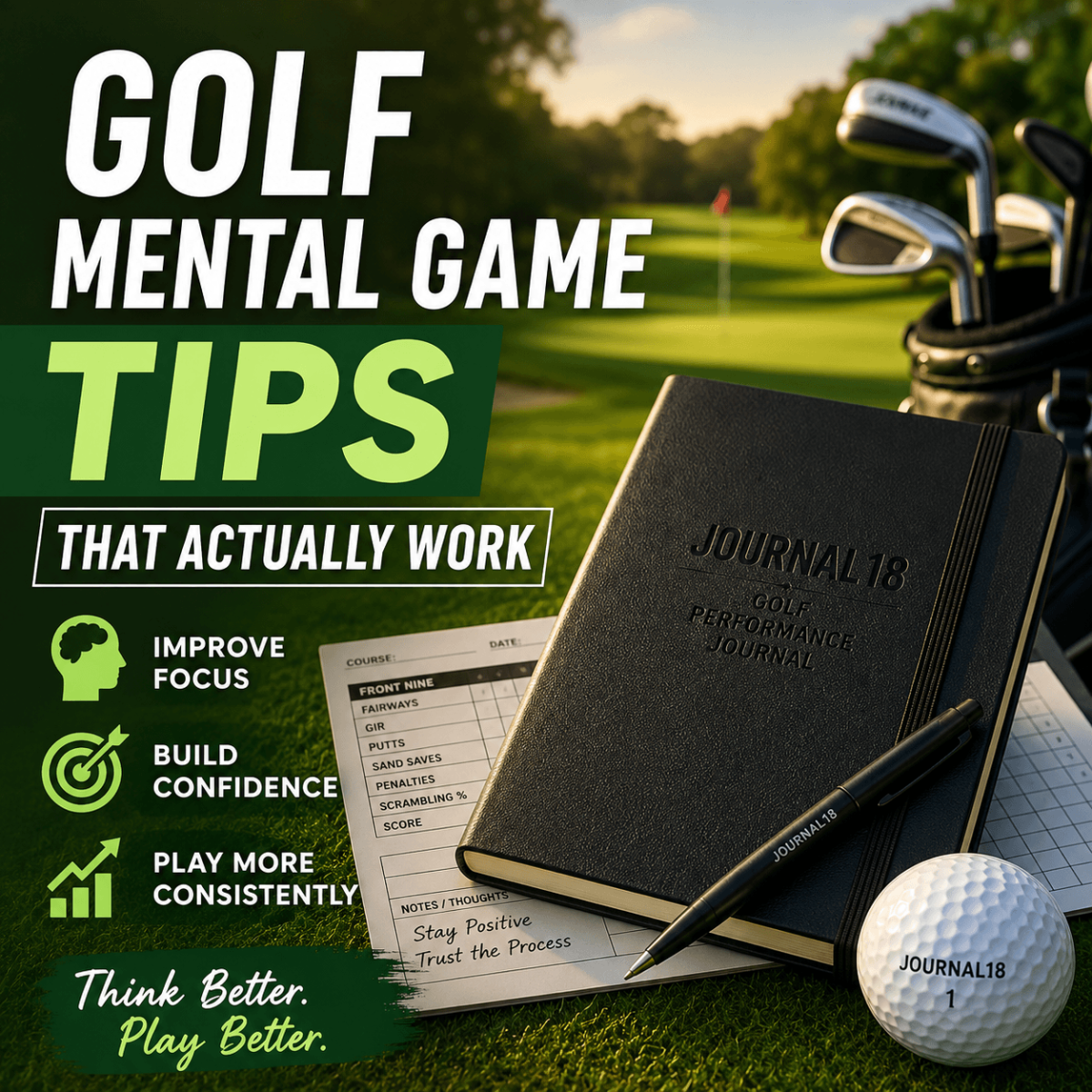
For more help with focus and emotional control, read our guide on golf mental game tips.
Why Tracking Rounds Improves Strategy
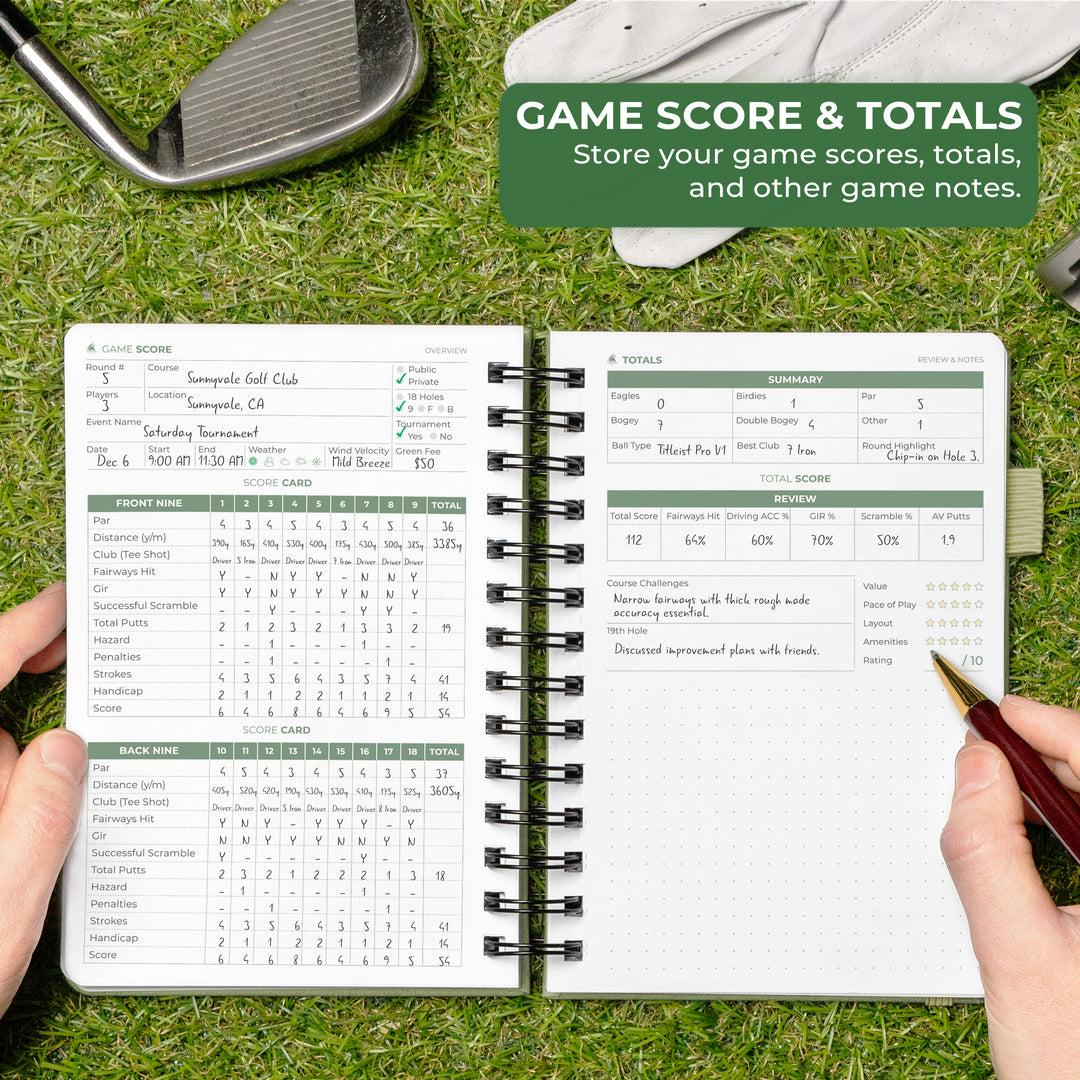
Course management improves when you know where your mistakes come from. If penalties usually happen off the tee, your strategy should change. If three-putts hurt your score, approach targets and putting practice may need attention.
Tracking helps you make strategy decisions based on patterns rather than feelings.
Start here: golf stats every golfer should track.
| Situation | Risky Choice | Smarter Choice | Why It Saves Strokes |
|---|---|---|---|
| Narrow tee shot | Hit driver at full speed | Use club that keeps ball in play | Reduces penalty risk |
| Pin near water | Aim directly at flag | Aim center green | Avoids big miss |
| Trees after bad drive | Try hero shot through gap | Punch back to fairway | Limits damage |
| Long bunker carry | Attack risky target | Choose safer landing area | Keeps round stable |
| Bad start to round | Force aggressive shots | Play simple for next few holes | Prevents emotional scoring mistakes |
Why Serious Golfers Review Decisions After Rounds
Good golfers review more than swing mechanics. They review decisions. Which targets were smart? Which clubs were too aggressive? Which recovery shots kept the round alive?
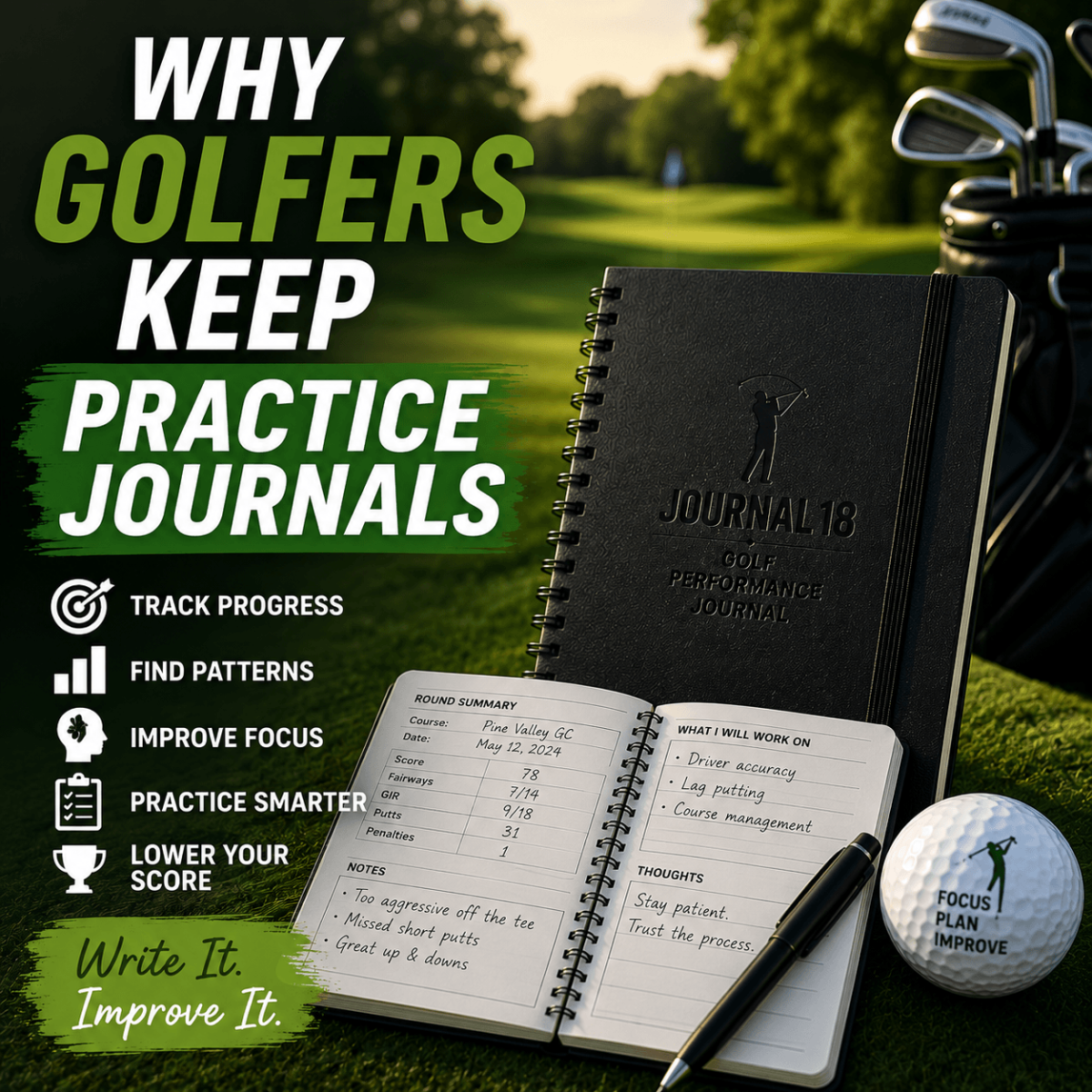
A journal makes this process easier because you can write down decisions while the round is still fresh.
Learn more here: why golfers keep practice journals.
How Journal18 Helps Golfers Play Smarter
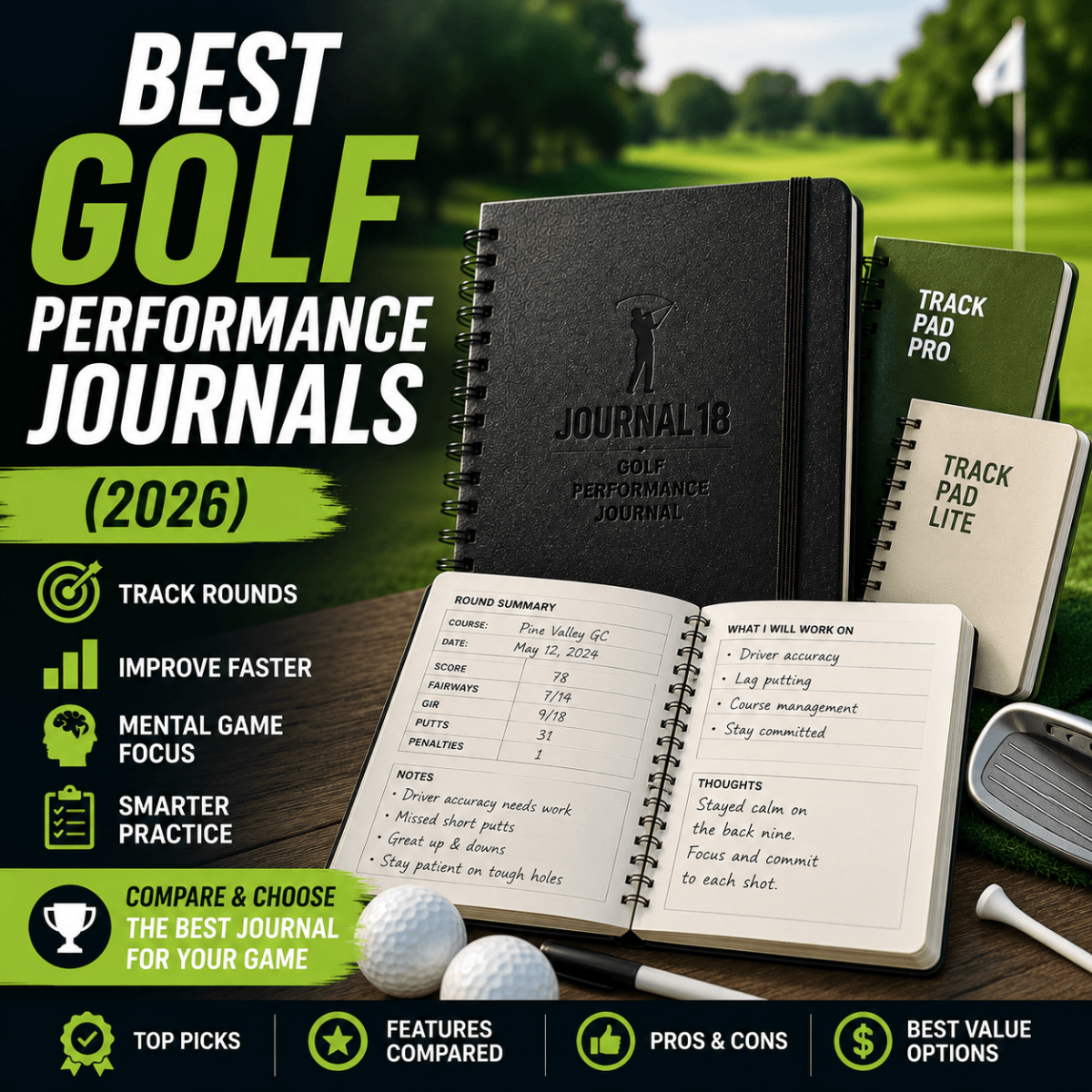
Journal18 can help golfers track decisions, review stats, and identify patterns after rounds. This makes it useful for course management because strategy improves when you can clearly see what costs strokes.
If you want a broader comparison of journal options, see our guide to the best golf performance journals.
Simple Course Management Checklist
Use this checklist before important shots to make smarter decisions.
| Question | Why It Matters |
|---|---|
| Where is the biggest trouble? | Helps avoid penalty strokes and big misses |
| What is my safest target? | Reduces pressure and improves consistency |
| What is my real carry distance? | Prevents under-clubbing and forced shots |
| Where is the best miss? | Leaves an easier next shot |
| Is this shot worth the risk? | Prevents hero shots and double bogeys |
Want a Simpler Way to Track Decisions and Improve Strategy?
If you want to review rounds, track stats, and make smarter golf decisions, Journal18 may be worth considering.
Check Current Journal18 OfferFinal Thoughts
Golf course management is one of the fastest ways to save strokes without changing your swing. Play away from trouble, choose bigger targets, know your real distances, and avoid hero shots when the risk is too high.
The more you track your decisions, the easier it becomes to play smarter golf. Better strategy can turn chaotic rounds into more consistent scoring.
View Current Journal18 DealsFAQ
What is golf course management?
Golf course management means making smarter decisions about targets, clubs, risks, and recovery shots during a round.
How can course management lower scores?
It can help reduce penalties, avoid double bogeys, improve recovery decisions, and make scoring more consistent.
Should beginners focus on course management?
Yes. Beginners can save strokes quickly by choosing safer targets, avoiding risky shots, and keeping the ball in play.
How do I track course management mistakes?
Write down risky decisions, penalty strokes, recovery shots, and holes where a smarter target could have saved strokes.
Disclosure: This page may contain affiliate links. We may earn a commission at no extra cost to you. Product availability, pricing, and offers may change at any time. This content is for informational purposes only and is not the official Journal18 website.
.png)